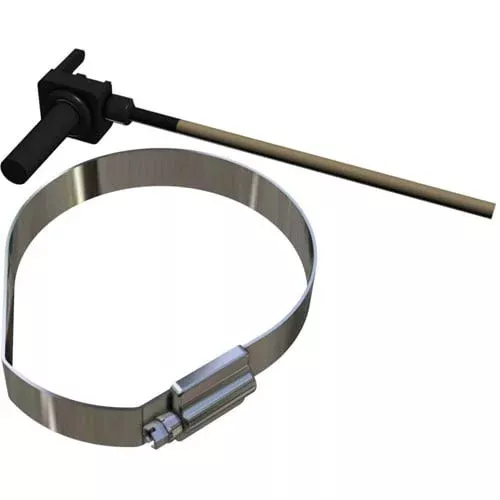
Hayward HPX2169 Temperature Sensor for HeatPro® Heat Pumps (Replacement)
The Hayward HPX2169 is a genuine OEM temperature sensor used on compatible Hayward HeatPro pool & spa heat pumps. It provides the control board with accurate temperature feedback so the heat pump can maintain set temperature, operate efficiently, and display correct readings.
Fits / Compatibility
- Hayward HeatPro HP5
- Hayward HeatPro H/C (Heat/Cool)
- Hayward HeatPro HP3100
- Also commonly listed for multiple HeatPro series models including HP20654, HP20854, HP21104, HP600/HP1100/HP2100 families and related variants (confirm your heat pump model/data plate before ordering)
Common Reasons to Replace
- Incorrect water temperature display
- Heat pump short-cycling or not reaching set temperature due to faulty sensor feedback
- Sensor-related error or “temperature sensor” fault indications
- Damaged sensor wiring, cracked sensor body, or corrosion at the connection
What’s Included
- 1 Temperature Sensor (HPX2169)
Installation Notes
- Turn off power to the heat pump at the breaker before servicing.
- Route the sensor wire away from sharp edges and hot surfaces, and secure it to prevent vibration wear.
- After installation, restore power and verify the displayed temperature is stable and reasonable.
- If the issue continues, inspect the connector, wiring harness, and control board inputs for damage.
Related Products
- Hayward HPX2169 Temperature Sensor (search)
- Hayward HeatPro Heat Pump Parts (search)
- Hayward Heat Pump Pressure Switches (search)
- Hayward Heat Pump Contactors (search)
Maintenance Tips
- Keep the heat pump coil and surrounding area clear—restricted airflow can cause performance issues that look like sensor problems.
- Maintain balanced water chemistry to reduce scaling and improve heat exchanger efficiency.
- If the temperature reading drifts, check for loose/oxidized connections before replacing parts.
- Make sure the water flow rate meets the heat pump’s requirements; low flow can trigger faults and unstable readings.