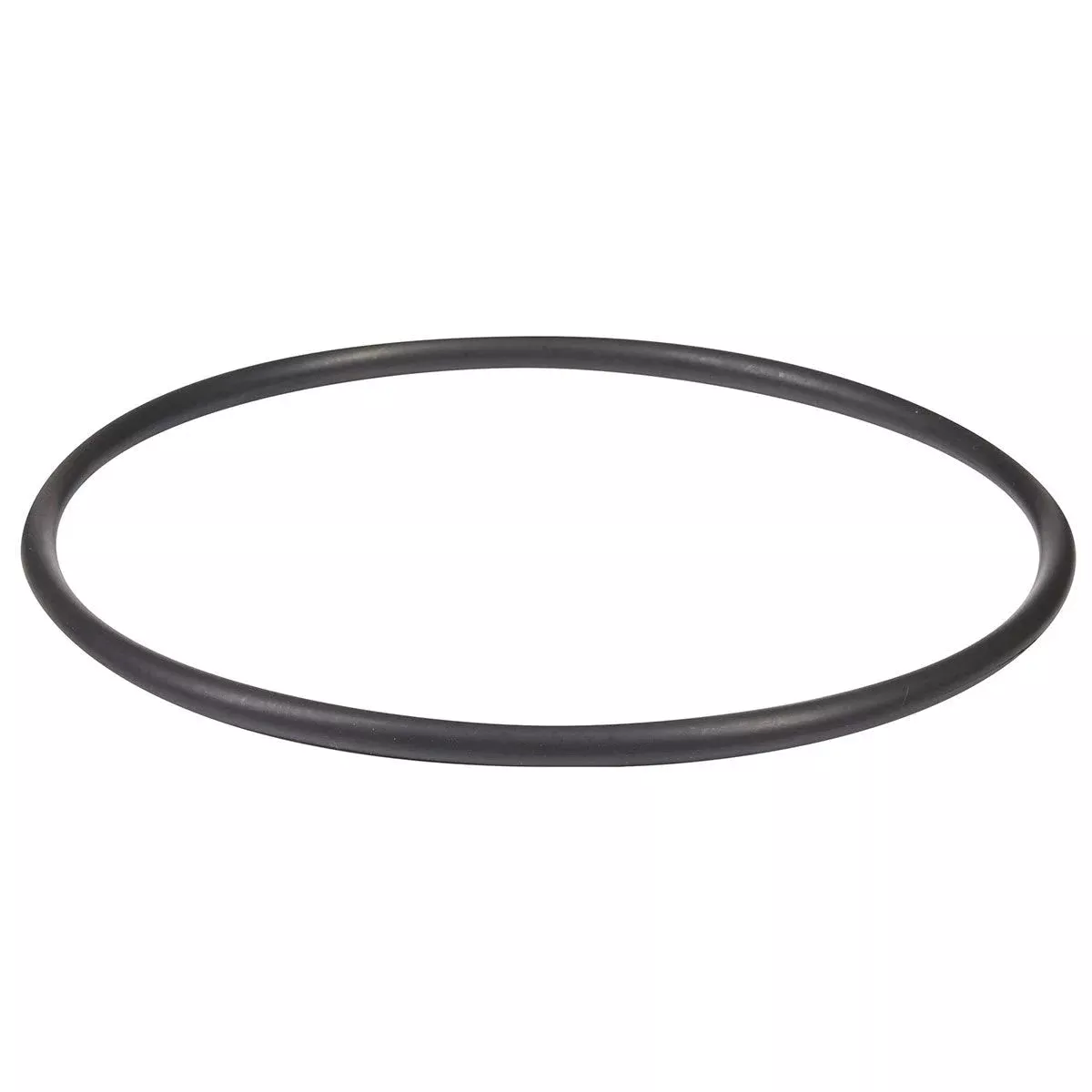
Hayward GLX-DIY-ORING Salt Cell O-Ring (Replacement Seal) for Salt & Swim
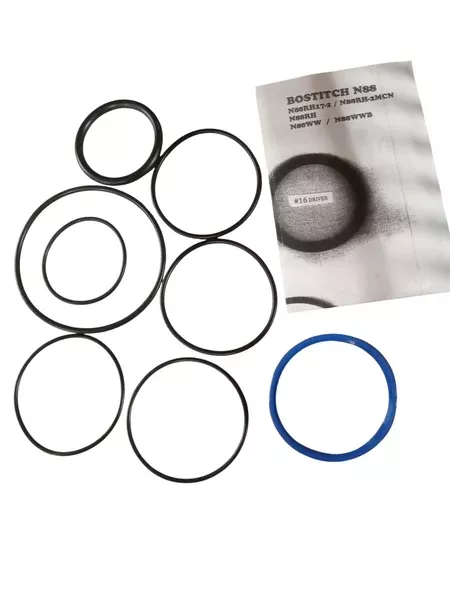
The Hayward GLX-DIY-ORING is a genuine OEM salt cell O-ring used to seal the connection between the salt cell and the cell housing/union on compatible Hayward salt chlorination systems. Replacing a flattened, cracked, or swollen O-ring helps prevent drips, air leaks, and salt water seepage at the cell union.
Fits / Compatibility
- Hayward Salt & Swim 3C salt chlorination system
- Commonly listed for DIY-12 Salt & Swim / 25,000-gallon (12-month) cell applications
What It Fixes
- Water seepage/drips at the salt cell union connection
- Air being pulled into the system near the cell (bubbles returning to the pool)
- Union connection that won’t seal reliably after servicing/cleaning the cell
Specifications (Quick Reference)
- Part Number: GLX-DIY-ORING
- Part Type: Salt System / Sanitization Replacement Part
- Pool Type: In-Ground
- Inside Diameter (ID): 3-1/4″
- Cross Section: 1/8″
- Replacement Part Warranty (typical listing): 6 months (parts only)
Installation Notes
- Turn the pump off and relieve pressure before opening the cell union.
- Remove the old O-ring and clean the groove and mating surfaces (salt crystals and debris can cause leaks).
- Install the new O-ring evenly (do not stretch excessively).
- Lightly lubricate with a silicone-based pool O-ring lubricant to reduce pinching and improve sealing.
- Hand-tighten unions firmly; avoid over-tightening that can distort the O-ring or crack plastic fittings.
Related Products
- Hayward GLX-DIY-ORING (search)
- Hayward Salt & Swim 3C Parts (search)
- Salt Cell Cleaner / Descaler (search)
- Silicone O-Ring & Gasket Lubricant (search)
- Salt System Unions & Fittings (search)
Maintenance Tips
- After cleaning the salt cell, inspect the O-ring for flattening, cracks, or swelling—replace it if it doesn’t spring back.
- Keep the union threads and sealing surfaces clean; dried salt crystals can prevent a good seal.
- Use only silicone-based lubricant—petroleum products can damage many pool seals.
- If leaks persist after replacement, inspect the union faces for warping/cracks and confirm the cell is seated squarely.