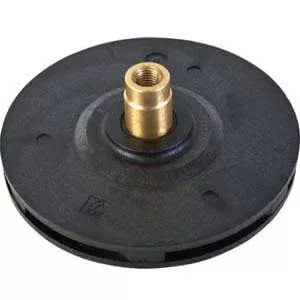
Hayward SPX3026C Impeller, 3 HP (Super II SP3000/SP3000X Series)
Hayward SPX3026C is a genuine replacement 3 HP pump impeller for the Hayward Super II pump family. The impeller is the rotating component that generates water flow; replacing a worn, cracked, or clogged impeller can restore proper circulation, pressure, and overall pump performance.
Key Features
- Part Number: SPX3026C
- Brand: Hayward
- Type: Pump impeller
- Horsepower Rating: 3 HP (application dependent)
- Pool Type: In-ground
- Designed for Hayward Super II wet ends using the 3 HP impeller configuration
Common Compatibility
Commonly used on Hayward Super II pump series:
- SP3000 Series (Super II)
- SP3000X Series (Super II)
- Often referenced as fitting “Super II 3 HP impeller (after 1989)” applications
Always confirm by your pump model number and/or parts diagram before ordering, especially when matching by horsepower.
Common Reasons to Replace the Impeller
- Reduced flow or weak return pressure (after filter/backwash issues are ruled out)
- Impeller damage from debris (rocks, sticks, acorns) or cavitation
- Cracks, chips, or worn vanes found during wet-end service
- Persistent priming problems caused by a severely clogged impeller (after suction air leaks are ruled out)
Installation Notes
- Disconnect power at the breaker before servicing any pump.
- Verify the impeller matches the pump’s exact model/HP configuration.
- Inspect the diffuser, seal plate, and housing O-rings during service and replace worn seals as needed.
- Replace the pump shaft seal during impeller service to help prevent leaks into the motor.
- Prime the pump properly after reassembly and check for leaks at startup.
Related Products
- Hayward SPX3026C (This Impeller)
- Hayward Super II (SP3000) Pump Parts
- Hayward Super II Shaft Seals
- Hayward Super II Diffusers
- Hayward Super II O-Rings & Gaskets
- Hayward Super II Rebuild Kits
Maintenance Tips
- Keep pump baskets and skimmer baskets clean to reduce debris reaching the impeller.
- Maintain proper water level to help prevent cavitation and impeller wear.
- Address suction-side air leaks promptly to protect the impeller and improve priming.
- If flow drops, check the filter and baskets first—then inspect the impeller for blockage if needed.